Wednesday, July 22, 2026
GlobanexNews
Independent Global Journalism Since 1965
Home / Science / Rates of passerine body plan evolution i...
Science

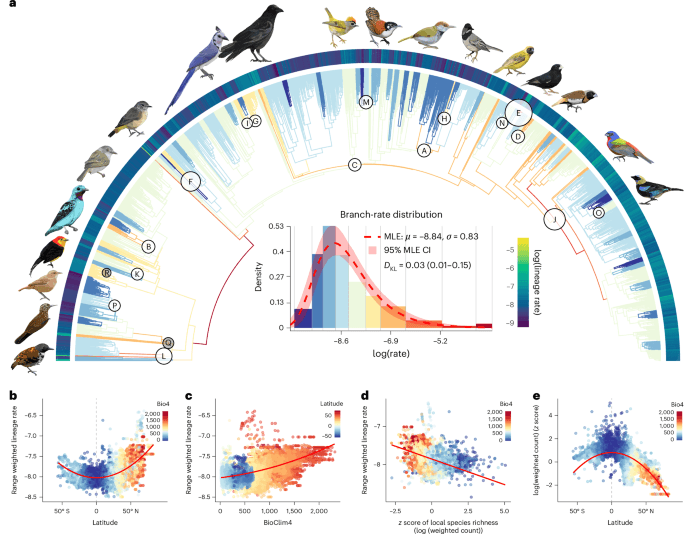
Rates of passerine body plan evolution in time and space - Nature

A reconstruction of the evolutionary history of passerine body plans over the past ~50 Myr shows rare bursts of phenotypic innovation near the origin of major taxonomic groups that are temporally aligned with periods of increased climatic instability. Similar…

N
By Nature.com
Wednesday, July 22, 2026 · 13h ago
Rates of passerine body plan evolution in time and space - Nature

Photo: Nature.com's photo

<li>Jablonski, D., Roy, K. &amp; Valentine, J. W. Out of the tropics: evolutionary dynamics of the latitudinal diversity gradient. Science314, 102106 (2006). Article  CAS  PubMed  Google Schola…Read more
You May Also Like

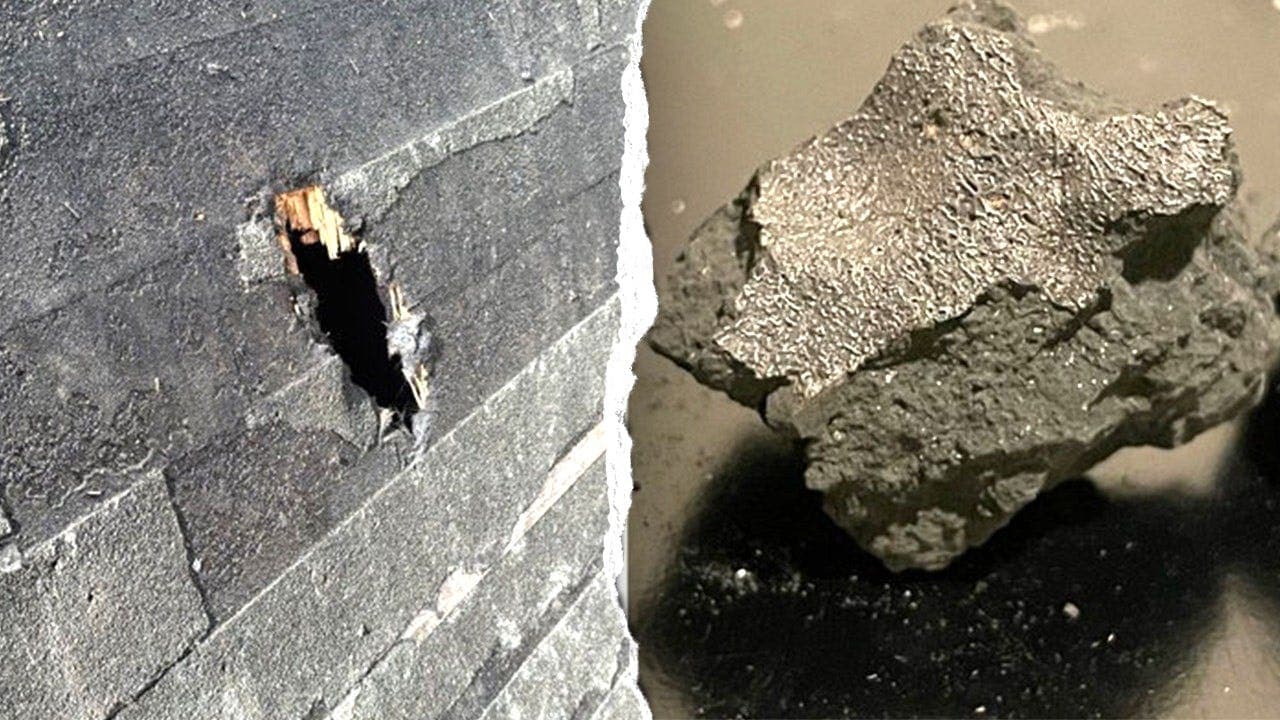
Meteorite that crashed into NJ home holds building blocks of life, scientists say - Fox News
Science

Meteorite that crashed into NJ home holds building blocks of life, scientists say - Fox News

The rare meteorite that crashed into a New Jersey home two years ago contains amino acids and organic compounds, scientists say in a newly published study.

By Fox News·13h ago
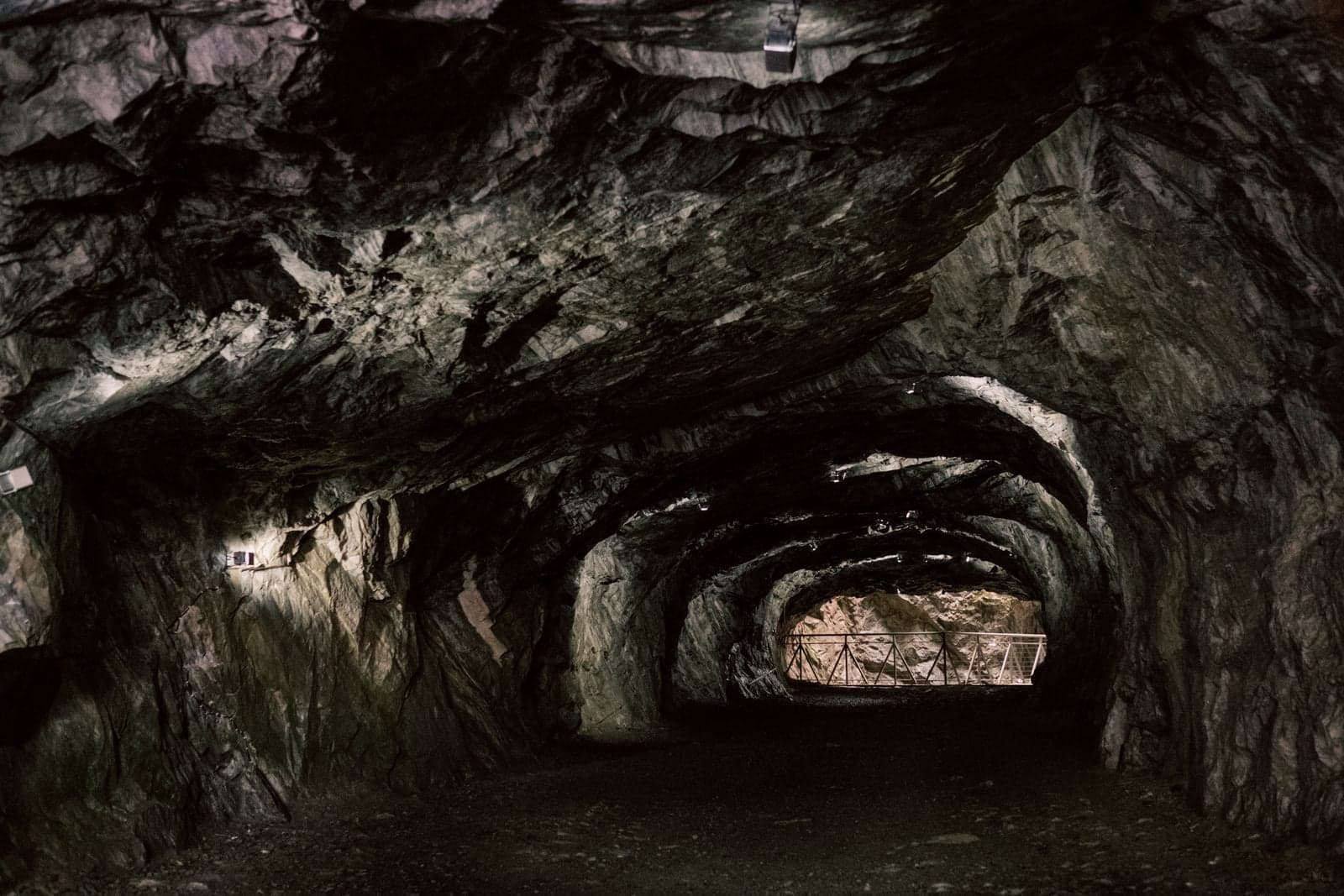
In a cave 18 metres below the surface at Movile in Romania, sealed off from the outside world for 5.5 million years, biologists have found 48 species that live on hydrogen sulphide and have never seen sunlight - Space Daily
Science

In a cave 18 metres below the surface at Movile in Romania, sealed off from the outside world for 5.5 million years, biologists have found 48 species that live on hydrogen sulphide and have never seen sunlight - Space Daily

A subterranean ecosystem where toxic fumes sustain life that has evolved in total darkness for millions of years challenges everything we thought we knew about the requirements for survival.

By Space Daily·13h ago
The Organisms That Make Earth’s Harshest Places Home - Quanta Magazine
Science

The Organisms That Make Earth’s Harshest Places Home - Quanta Magazine

Extremophiles that thrive in the most unforgiving environments aren’t just biological curiosities. Understanding their resilience has many implications for us.

By Quanta Magazine·13h ago